Introduction

Hiking safety tips for solo female hikers are essential for ensuring a confident and enjoyable outdoor adventure. As more women embark on solo hiking trips, it becomes crucial to prioritize safety measures to protect oneself from potential risks. In this guide, we will explore the importance of hiking safety for solo female hikers, learn from famous women who have conquered the trails, and discover valuable tips on how to stay safe and confident during your solo hiking adventures.
The Importance of Hiking Safety for Solo Female Hikers
When it comes to hiking alone as a woman, safety should always be a top priority. Being aware of potential dangers and taking necessary precautions can significantly reduce risks and enhance your overall experience. By following proper safety guidelines, you can empower yourself to explore nature's wonders with confidence.
Famous Solo Female Hikers Who Have Conquered the Trails
Throughout history, numerous inspiring women have embarked on epic solo hiking journeys, proving that fearlessness knows no gender boundaries. From Cheryl Strayed's transformative Pacific Crest Trail hike in Wild to Heather Anderson's record-breaking speed hikes on the Appalachian Trail, these trailblazers have paved the way for future generations of adventurous women.
How to Stay Safe and Confident on Your Solo Hiking Adventures
To ensure a safe and enjoyable solo hiking experience, it is essential to equip yourself with knowledge and tools that will enhance your preparedness in any situation. By carefully planning your hikes, packing the essentials, dressing appropriately, sharing your itinerary with trusted individuals, trusting your instincts, and staying aware of your surroundings at all times, you can confidently navigate through nature's beauty while prioritizing your safety.
Research and Plan Your Hikes
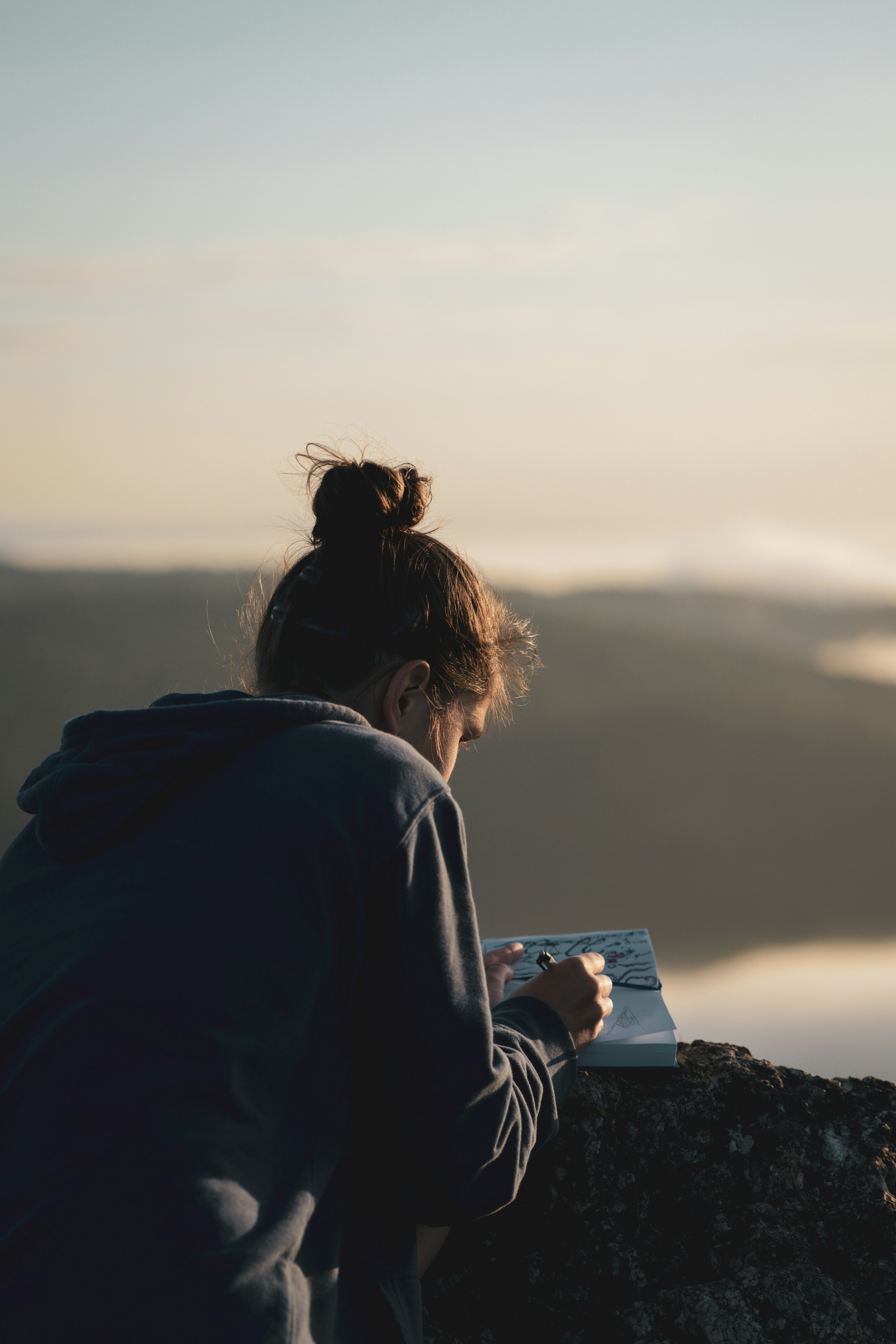
Researching and planning your hikes is crucial for ensuring a safe and enjoyable experience as a solo female hiker. By taking the time to gather information about the trail and conditions, choosing well-known routes, and familiarizing yourself with the route and terrain, you can minimize potential risks and maximize your confidence on the trail.
Research the Trail and Conditions
Before embarking on any hiking adventure, it's important to thoroughly research the trail and current conditions. Look for reliable sources of information such as hiking guidebooks, online forums, or websites dedicated to hiking trails. Pay attention to factors like difficulty level, elevation gain, weather patterns, wildlife encounters, and any recent incidents or closures. This knowledge will help you assess whether a particular trail is suitable for your skill level and preferences.
Choose Popular and Well-Maintained Trails
When planning your solo hikes as a female hiker, it's wise to opt for popular trails that are well-maintained by park authorities or hiking organizations. These trails are often frequented by other hikers, which provides an added sense of safety in case of emergencies or unexpected situations. Additionally, well-maintained trails are more likely to have clear markers or signage that can help you navigate the route with ease.
Get Familiar with the Route and Terrain
To enhance your safety while hiking alone as a female hiker, take the time to get familiar with the specific route and terrain of your chosen trail. Study maps or guidebooks that provide detailed information about landmarks, junctions, water sources, campsites, or any potential hazards along the way. Understanding the terrain will allow you to anticipate challenges such as steep ascents or descents, river crossings, rocky sections, or areas prone to landslides.
By researching the trail and conditions, choosing popular and well-maintained routes, and getting familiar with the route and terrain, you'll be well-prepared to tackle your solo hiking adventures. Remember, knowledge is power when it comes to hiking safety!
Pack the Essentials
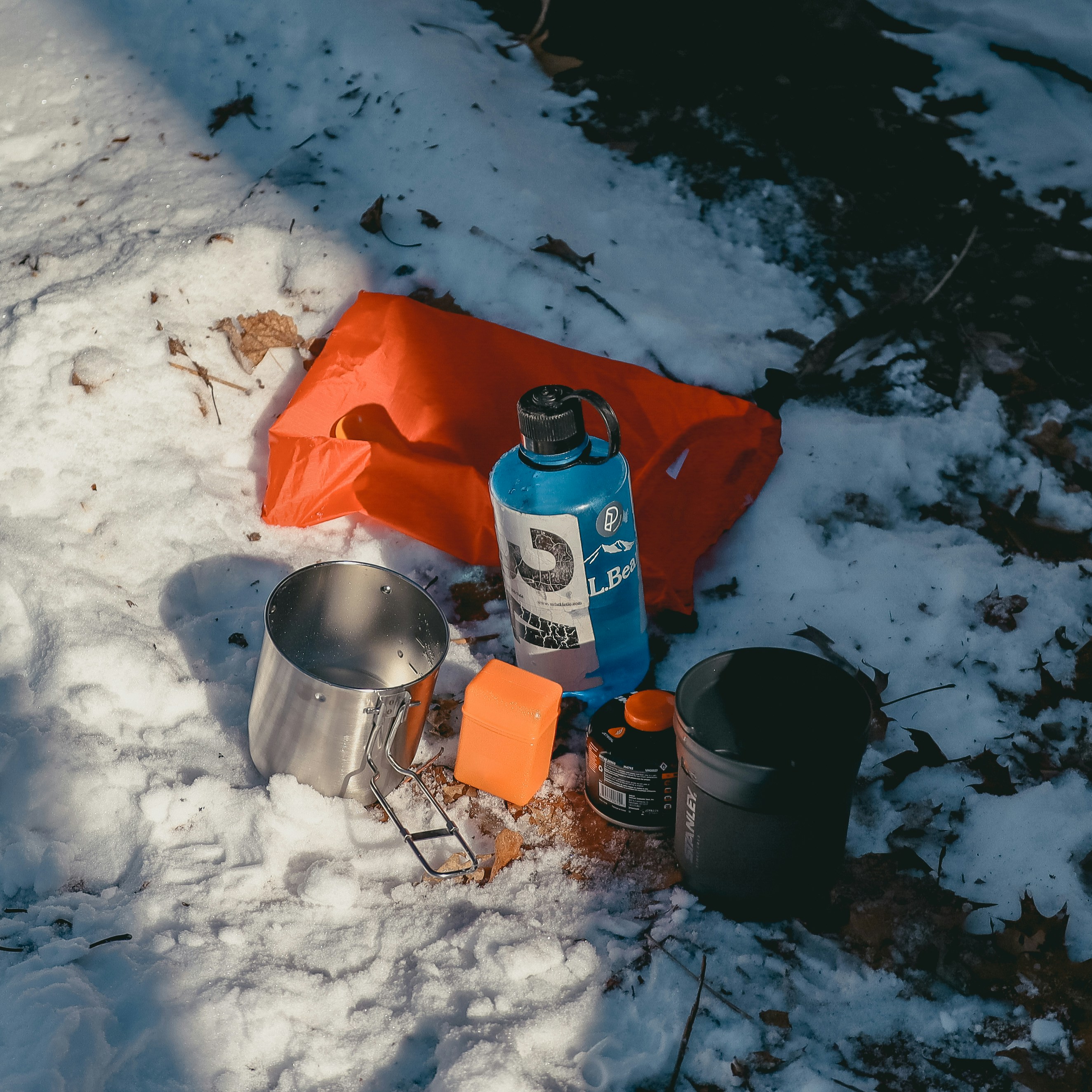
When embarking on a solo hiking adventure, it is crucial to pack the essentials to ensure your safety and comfort throughout the journey. Here are some important tips to keep in mind:
Pack Light and Efficiently
To lighten your load and make your hike more enjoyable, pack only the essentials. Opt for lightweight and compact gear, such as a lightweight tent, sleeping bag, and cooking equipment. Choose multi-purpose items whenever possible to save space in your backpack. Remember, every extra pound can make a difference during a long hike.
Carry a Reliable Navigation Device
Having a reliable navigation device is essential for solo hikers. Invest in a good quality GPS device or download hiking apps that provide accurate trail maps and real-time tracking. This will help you stay on course and avoid getting lost in unfamiliar terrain. Additionally, bring a compass as a backup navigation tool.
Bring Adequate Food and Water
Proper nutrition and hydration are vital during hiking trips, especially when you're on your own. Pack lightweight meals that are easy to prepare and provide enough energy for the duration of your hike. High-calorie snacks like nuts, energy bars, and dried fruits can also come in handy when you need quick bursts of energy on the trail. Don't forget to carry an adequate supply of water or invest in water purification tools if you'll be relying on natural water sources along the way.
Remember that packing efficiently not only ensures your comfort but also allows you to move more freely without being burdened by unnecessary weight. Carrying reliable navigation devices will keep you on track while bringing enough food and water guarantees proper nourishment throughout your adventure.
Now let's move on to the next section, where we'll discuss the importance of dressing appropriately for solo hiking trips.
Dress Appropriately
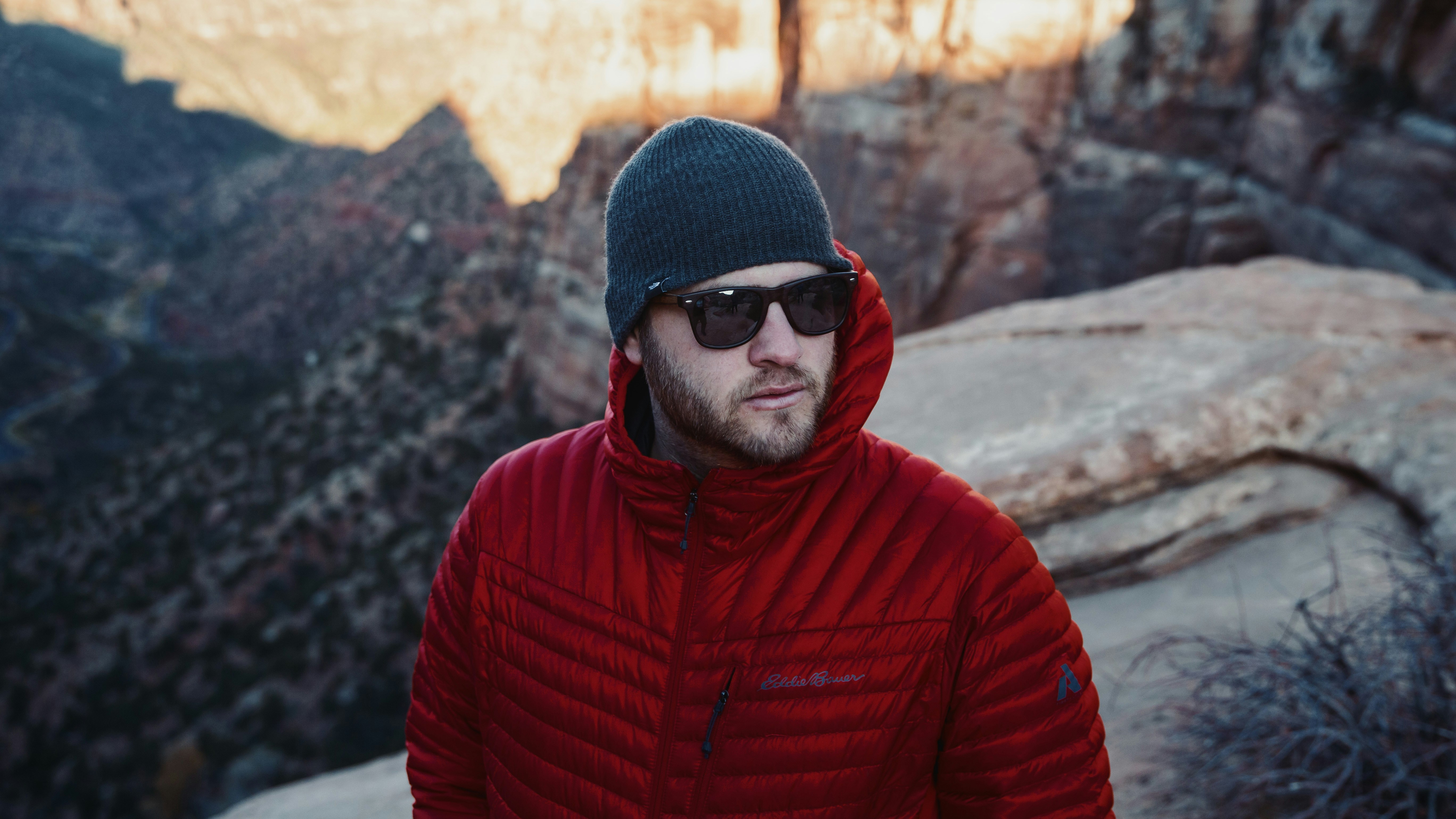
When it comes to hiking safety tips for solo female hikers, dressing appropriately is essential. Not only does it ensure your comfort throughout the hike, but it also protects you from potential hazards.
Wear Layers and Dress for the Weather
One of the key aspects of dressing appropriately for hiking is wearing layers. This allows you to adjust your clothing according to changing weather conditions and your activity level. Start with a moisture-wicking base layer that keeps sweat away from your skin. Add a insulating mid-layer to keep you warm in cooler temperatures, and top it off with a waterproof and breathable outer layer to protect you from rain or wind. By wearing layers, you can easily adapt to different climates and stay comfortable on the trail.
Invest in Proper Hiking Shoes
Investing in proper hiking shoes is crucial for solo female hikers' safety on the trail. Opt for sturdy hiking boots that provide ankle support and have a good grip on various terrains. Make sure they fit well and are broken-in before embarking on your solo adventure. Ill-fitting shoes can lead to blisters, discomfort, or even injuries during long hikes. Your feet will thank you for choosing reliable footwear that offers stability and protection.
Protect Yourself from the Sun and Bugs
While enjoying nature's beauty during your solo hikes, don't forget about protecting yourself from the sun's harmful rays and pesky bugs. Apply sunscreen with at least SPF 30 before hitting the trail, even on cloudy days, and reapply as needed throughout your hike. Wearing a wide-brimmed hat and sunglasses will further shield your face from direct sunlight.
To ward off insects like mosquitoes or ticks, wear lightweight long-sleeved shirts and pants treated with insect repellent or consider using natural alternatives such as citronella-based products or essential oils like lemongrass or eucalyptus. Don't forget to protect your exposed skin with a reliable bug repellent. By taking these precautions, you can enjoy your hike without worrying about sunburns or irritating bug bites.
Share Your Itinerary and Check-In Regularly
When embarking on a solo hiking adventure, it's crucial to share your itinerary and check-in regularly with trusted friends or family members. This not only ensures your safety but also provides peace of mind for your loved ones back home. By following these simple steps, you can stay connected and prepared throughout your journey.
Inform Trusted Friends or Family Members of Your Plans
Before setting off on your hike, make sure to inform trusted friends or family members of your plans. Share details such as the trail you'll be hiking, the estimated duration of your trip, and any specific landmarks or campsites you plan to visit. This way, in case of an emergency or if you fail to check-in as scheduled, they will have crucial information to assist authorities in locating you.
Check In with Them at Designated Times
Establish designated times to check-in with your trusted contacts throughout your hike. This could be daily, every few days, or at specific milestones along the trail. By sticking to this schedule, you can ensure that someone is aware of your progress and well-being. If circumstances change or unexpected challenges arise, communicate these updates promptly so that assistance can be provided if needed.
Use Safety Apps or Devices for Added Peace of Mind
In today's digital age, there are numerous safety apps and devices available that can enhance the security of solo hikers. Consider downloading a hiking app that allows you to share real-time updates on your location with designated contacts. Additionally, investing in a personal locator beacon (PLB) or satellite messenger can provide an extra layer of safety by enabling emergency responders to locate you in remote areas without cell service.
By sharing your itinerary and checking in regularly, you are taking proactive steps to ensure your safety as a solo female hiker. This not only provides peace of mind for yourself but also for your loved ones who may be concerned about your well-being. Remember, communication is key when it comes to staying safe and connected during your hiking adventures.
Trust Your Instincts and Stay Aware
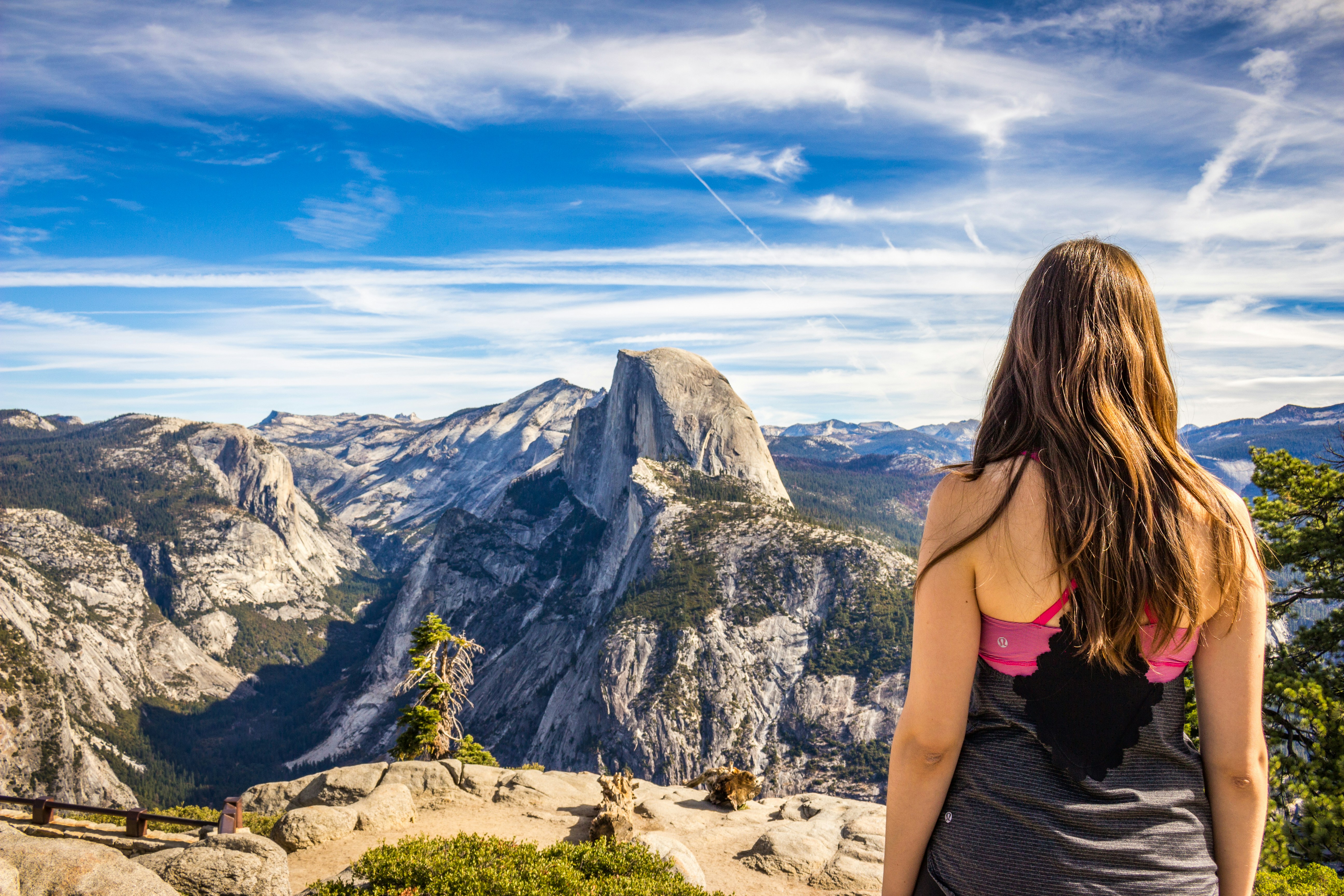
When hiking solo as a female, it's crucial to trust your instincts and stay aware of your surroundings. Your gut feeling is often a reliable guide, so if something feels off or unsafe, listen to that inner voice. It's better to be cautious and avoid potential dangers than to take unnecessary risks.
In addition to trusting your instincts, it's important to stay alert and aware of your surroundings at all times. Keep an eye out for any unusual activities or individuals nearby. By staying vigilant, you can quickly identify any potential threats and take necessary precautions.
To further enhance your safety, it's essential to avoid high-risk situations whenever possible. This includes venturing into isolated areas or hiking during late hours when there are fewer people around. Stick to well-populated trails and ensure you have a clear path ahead before proceeding.
Remember, being cautious doesn't mean you have to limit yourself from enjoying the beauty of nature as a solo female hiker. By trusting your instincts, staying aware of your surroundings, and avoiding high-risk situations, you can confidently embark on your hiking adventures while prioritizing your safety.
Conclusion
Hiking safety tips for solo female hikers are essential for empowering women to explore the great outdoors with confidence. By following these guidelines, women can enjoy their hiking adventures while staying safe and prepared. Remember to research and plan your hikes, pack the essentials, dress appropriately, share your itinerary, trust your instincts, and stay aware of your surroundings.
Empowering Solo Female Hikers Everywhere: By providing valuable safety tips and advice, we aim to empower solo female hikers everywhere to embrace their adventurous spirit and explore the beauty of nature without fear. With the right knowledge and preparation, women can conquer any trail they set their sights on.
Stay Safe and Confident on Your Adventures: By implementing these safety measures, solo female hikers can embark on their adventures with peace of mind. Knowing that you have taken the necessary precautions will allow you to focus on enjoying the journey and immersing yourself in nature's wonders.
Keep Exploring and Inspire Others to Do the Same: As solo female hikers continue to push boundaries and conquer new trails, they inspire others to do the same. By sharing stories of their experiences and spreading awareness about hiking safety, they encourage more women to step out of their comfort zones and embrace the joys of outdoor exploration.
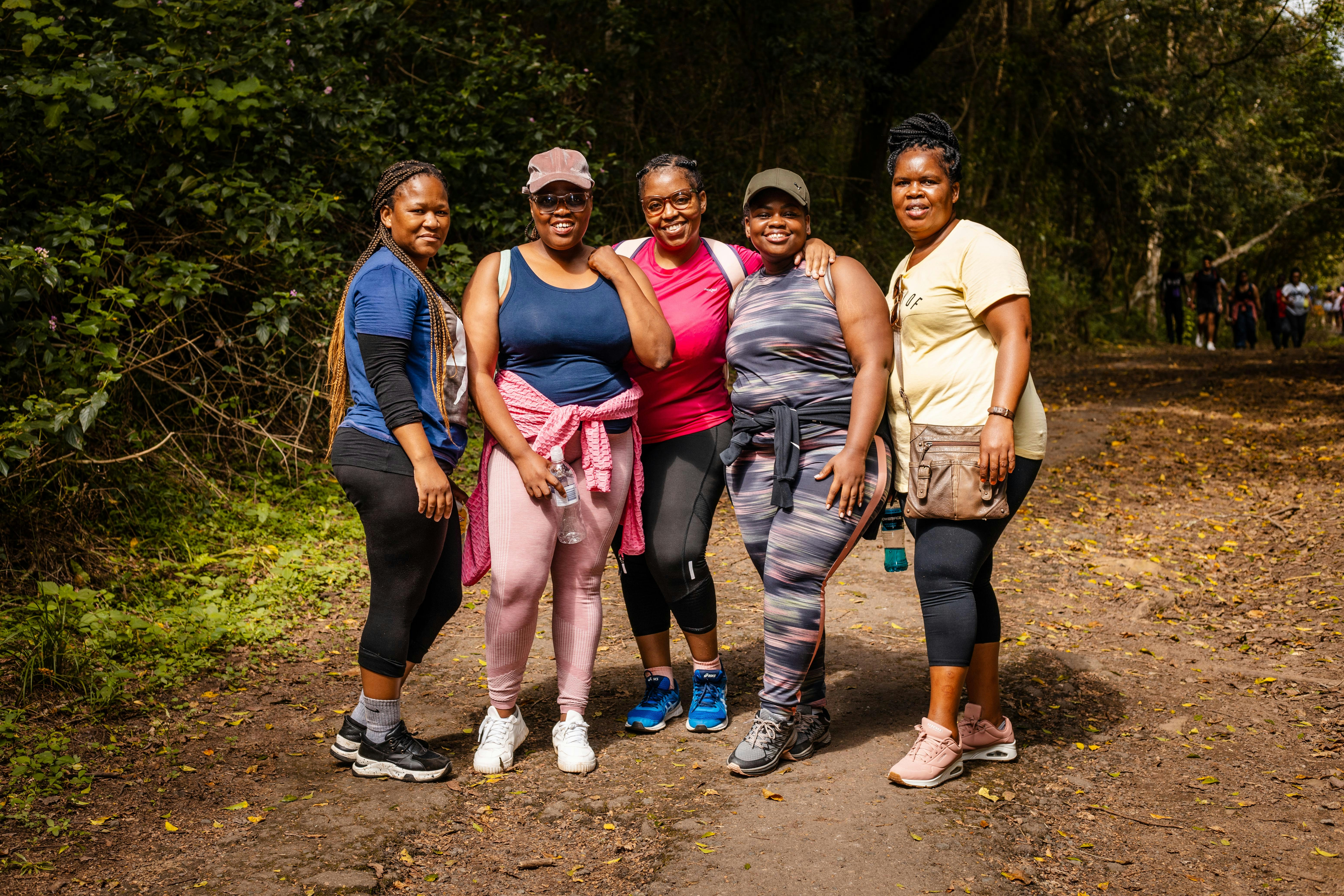
This image showcases a group of diverse women confidently hiking along a scenic trail. They embody empowerment as they navigate through nature together. It serves as a reminder that by supporting one another and sharing knowledge about hiking safety, we can create a community that encourages all women to embark on their own solo adventures.
In conclusion, by prioritizing hiking safety tips for solo female hikers, we can empower women to explore the outdoors confidently. Through careful planning, packing the essentials, dressing appropriately, sharing itineraries, trusting instincts, and staying aware, women can embark on their hiking adventures with peace of mind. Let's continue to inspire and support one another as we conquer new trails and create a community of fearless female hikers.