Introduction

Are you a dog lover and an outdoor enthusiast? If so, hiking with your furry companion can be the perfect adventure for you! Not only does it provide a great opportunity to bond with your dog, but it also offers numerous benefits for both of you. In this guide, we will explore why hiking with dogs can be a great adventure, the benefits it brings, and how to prepare for a safe and enjoyable hike with your canine friend.
Why hiking with dogs can be a great adventure
Hiking with dogs adds an extra level of excitement and joy to your outdoor experience. Dogs are natural explorers who thrive in nature's beauty, making every hike an adventure filled with wonder and discovery. Their enthusiasm is contagious, and their presence can enhance the overall enjoyment of your hike. Whether it's chasing squirrels or splashing in streams, watching your dog's sheer delight in the wilderness is truly heartwarming.
Benefits of hiking with your furry companion
Besides being incredibly fun, hiking with dogs offers a myriad of benefits for both you and your four-legged friend. It provides an excellent opportunity for exercise and physical activity, keeping both of you fit and healthy. The fresh air and natural surroundings have a calming effect on dogs, reducing stress levels and promoting mental well-being.
Moreover, hiking strengthens the bond between you and your dog as you navigate trails together as a team. It fosters trust, communication, and mutual understanding between you two. Additionally, being out in nature stimulates their senses – from smelling new scents to hearing different sounds – which enriches their overall sensory experience.
How to prepare for a safe and enjoyable hike with your dog
Before embarking on any hiking adventure with your furry companion, it is crucial to make proper preparations to ensure safety and enjoyment for both of you. This includes selecting appropriate trails based on difficulty level and distance that suits your dog's fitness level. It's also important to pack essential gear such as a leash and harness suitable for your dog's size and breed, as well as a backpack with water, snacks, and other necessary items.
To provide a safe hiking experience, familiarize yourself with potential hazards along the trail, such as ticks or poisonous plants, and take necessary precautions. Additionally, being equipped with basic knowledge of first aid for dogs can prove invaluable in case of emergencies.
With these initial insights in mind, let's delve deeper into the essential gear needed for hiking with dogs.
Essential Gear for Hiking with Dogs
When it comes to hiking with dogs, having the right gear is essential for a safe and enjoyable adventure. Here are some must-have items to consider:
Choosing the right leash and harness for your dog's size and breed
Selecting the appropriate leash and harness is crucial for maintaining control over your furry companion during hikes. For smaller dogs, a lightweight and retractable leash can provide them with freedom while still keeping them close by. Larger breeds may benefit from a sturdy, adjustable harness that evenly distributes weight and prevents strain on their necks.
Must-have items for your dog's backpack, including water and snacks
Equipping your dog with their very own backpack is not only adorable but also practical. It allows them to carry their essentials, lightening your load as well. Make sure to pack enough water to keep your pup hydrated throughout the hike, especially on hot days. Snacks like energy bars or treats will provide them with necessary sustenance during breaks.
Protective gear for your dog, such as boots and a reflective vest
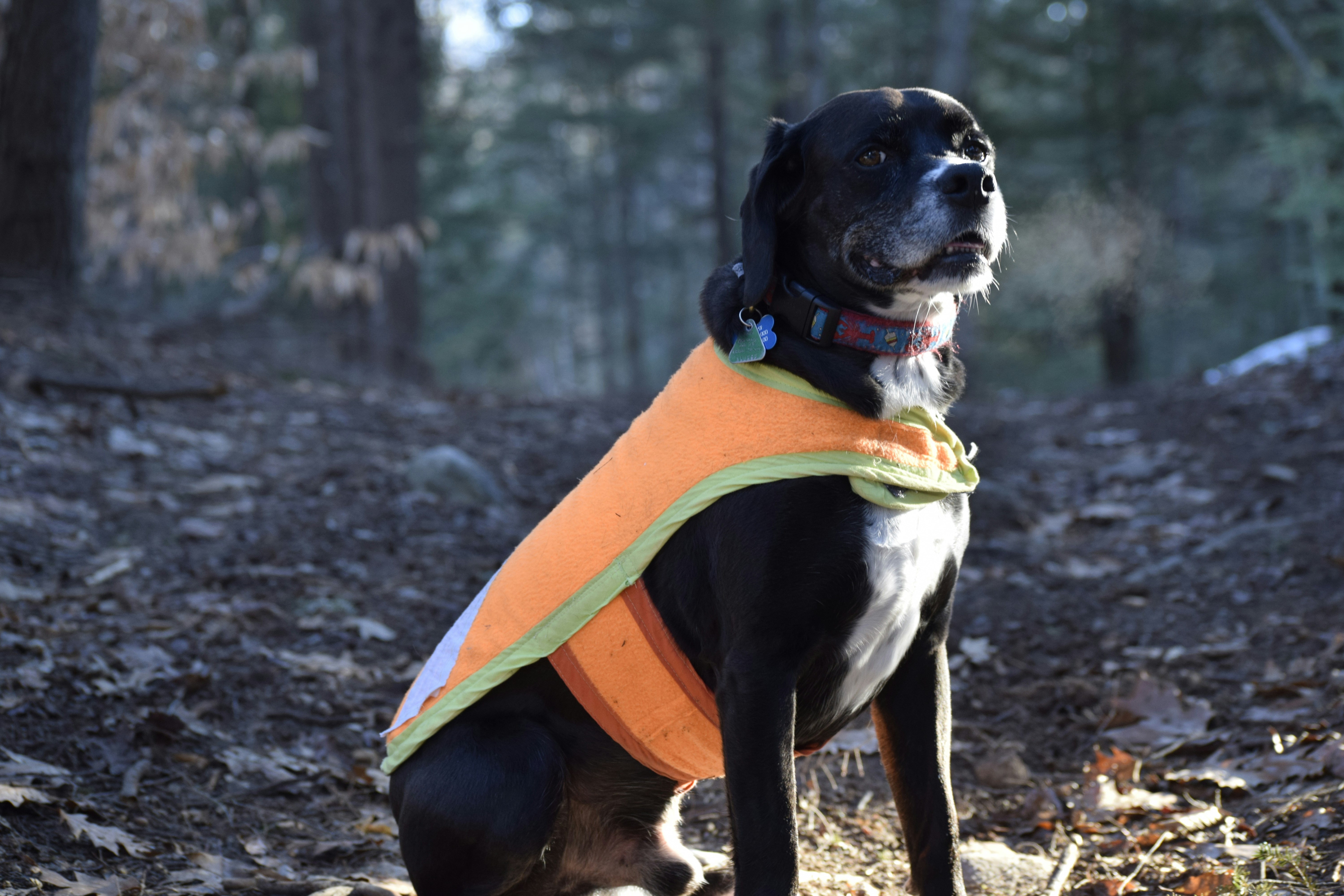
Just like humans, dogs need protection from rough terrain and extreme weather conditions while hiking. Investing in a pair of boots can shield their paws from sharp rocks, thorns, or hot surfaces. Additionally, a reflective vest ensures visibility in low-light situations or dense forests, reducing the risk of accidents.
Remember that each dog is unique in terms of size, breed, fitness level, and personal preferences when it comes to gear selection. Take these factors into consideration when choosing the right equipment for your furry hiking companion.
By providing your dog with proper gear tailored to their specific needs, you can ensure their comfort, safety, and enjoyment throughout your hiking adventures. So gear up and get ready for an unforgettable journey with your four-legged friend!
Safety Tips for Hiking with Dogs

Hiking with dogs can be an incredible experience, but it's important to prioritize safety for both you and your furry friend. Here are some essential safety tips to keep in mind:
Assessing your dog's fitness level and choosing appropriate trails
Before embarking on a hiking adventure with your dog, it's crucial to assess their fitness level. Just like humans, dogs have different stamina levels and physical abilities. Start with shorter and easier trails if your dog is new to hiking or not very active.
Consider factors such as age, breed, and any pre-existing health conditions that may affect their endurance. It's always a good idea to consult with your veterinarian before hitting the trails.
Keeping your dog hydrated and avoiding overheating
Proper hydration is key when hiking with dogs. Make sure to bring plenty of fresh water for both you and your furry companion. Collapsible water bowls are convenient for providing hydration on the go.
During hot weather or strenuous hikes, take frequent breaks in shaded areas to allow your dog to cool down. Wetting their paws or using a cooling bandana can also help regulate their body temperature.
Remember that dogs can't sweat like humans do, so it's crucial to watch out for signs of overheating such as excessive panting, drooling, or lethargy. If you notice any of these signs, find a cool spot immediately and provide water.
How to identify and prevent common hiking hazards for dogs, such as ticks and poisonous plants
When exploring the great outdoors with your pup, it's important to be aware of potential hazards they may encounter along the way.
Ticks are one common concern while hiking in wooded areas or tall grasses. Check your dog thoroughly for ticks after each hike and remove them promptly using tweezers or a tick removal tool.
Certain plants can be toxic if ingested by dogs. Familiarize yourself with common poisonous plants in your hiking area and keep your dog away from them. Additionally, be cautious of any wildlife encounters that may pose a threat to your dog's safety.
Remember, safety should always be the top priority when hiking with dogs. By assessing their fitness level, keeping them hydrated, and being aware of potential hazards, you can ensure a safe and enjoyable adventure for both you and your furry companion.
Training and Etiquette for Hiking with Dogs
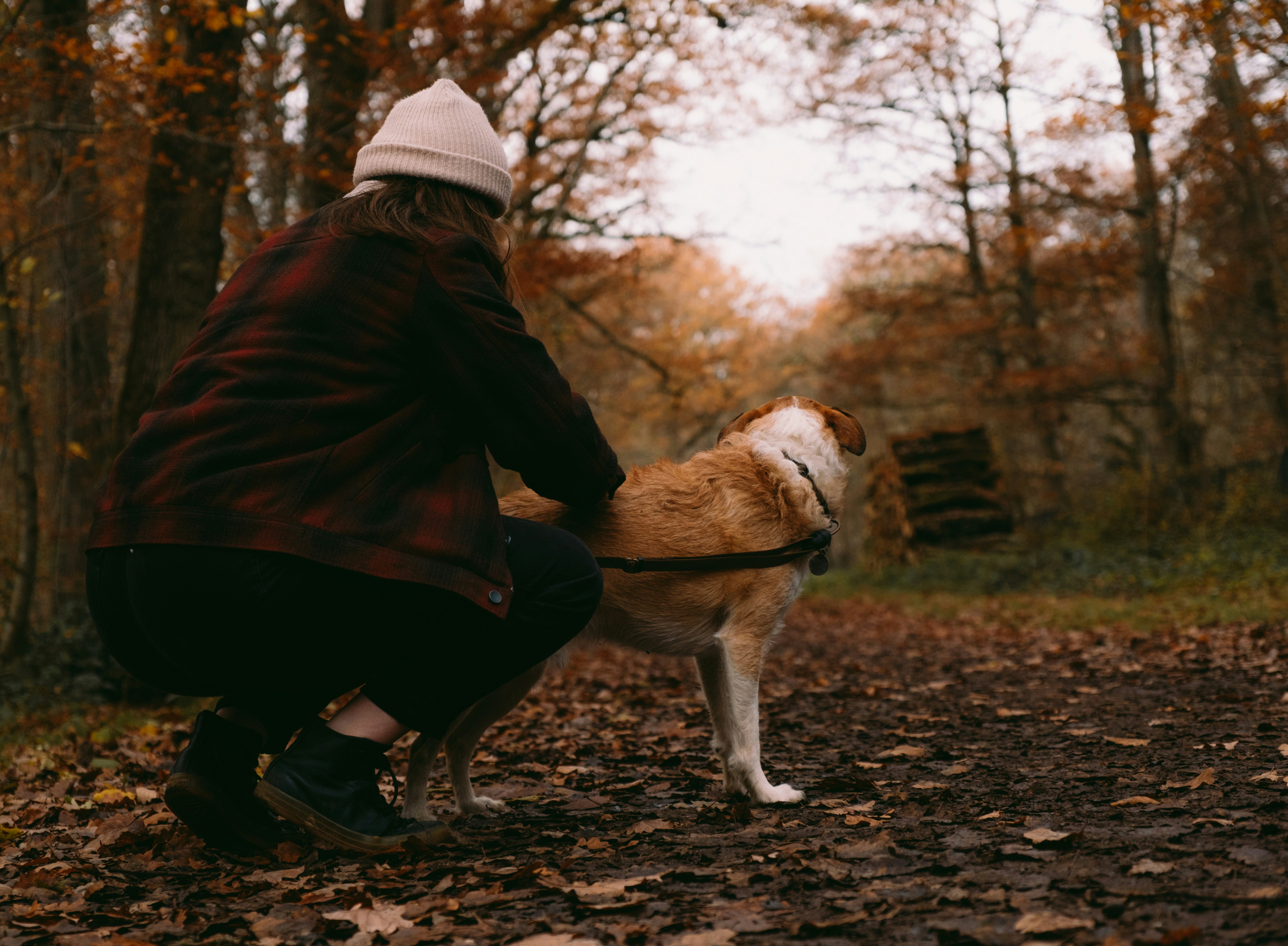
Hiking with dogs can be a wonderful experience, but it's important to ensure that your furry friend is well-trained and behaves appropriately on the trails. Here are some tips for training and practicing good etiquette while hiking with your dog.
Basic obedience commands and leash manners for a well-behaved hiking buddy
To have a successful hike with your dog, it's crucial to establish basic obedience commands such as sit, stay, and come. These commands will help you maintain control over your dog in potentially dangerous situations or when encountering other hikers or wildlife. Additionally, teaching your dog proper leash manners will make the hike more enjoyable for both of you. Practice loose leash walking and discourage pulling or lunging by rewarding good behavior with treats or praise.
Proper trail etiquette, including yielding to other hikers and wildlife
When hiking with your dog, it's essential to be considerate of other hikers on the trail. Always yield to others by stepping aside and allowing them to pass safely. Keep your dog on a leash unless in designated off-leash areas, even if they are well-behaved. This ensures the safety of other hikers who may have fears or allergies related to dogs. Additionally, be mindful of wildlife and respect their space by keeping your dog under control and not allowing them to chase or disturb any animals.
How to handle encounters with other dogs and wildlife during hikes
Encountering other dogs while hiking is common, but it's important to approach these interactions carefully. Always ask the owner if it's okay for the dogs to greet each other before allowing any interaction. Some dogs may not be friendly or may become protective in unfamiliar environments, so it's crucial to prioritize everyone's safety.
When encountering wildlife during hikes, keep a safe distance from animals such as squirrels, deer, or birds. Avoid allowing your dog to chase or disturb them, as this can disrupt their natural behavior and potentially cause harm to both your dog and the wildlife. Remember, you are a guest in their habitat.
By following these training tips and practicing proper trail etiquette, you can ensure a safe and enjoyable hiking experience for both you and your furry companion. Remember, responsible pet ownership means being considerate of others on the trail and respecting the natural environment around you. So get out there, explore nature with your four-legged friend, and create lasting memories together!
Exploring Dog-Friendly Hiking Destinations
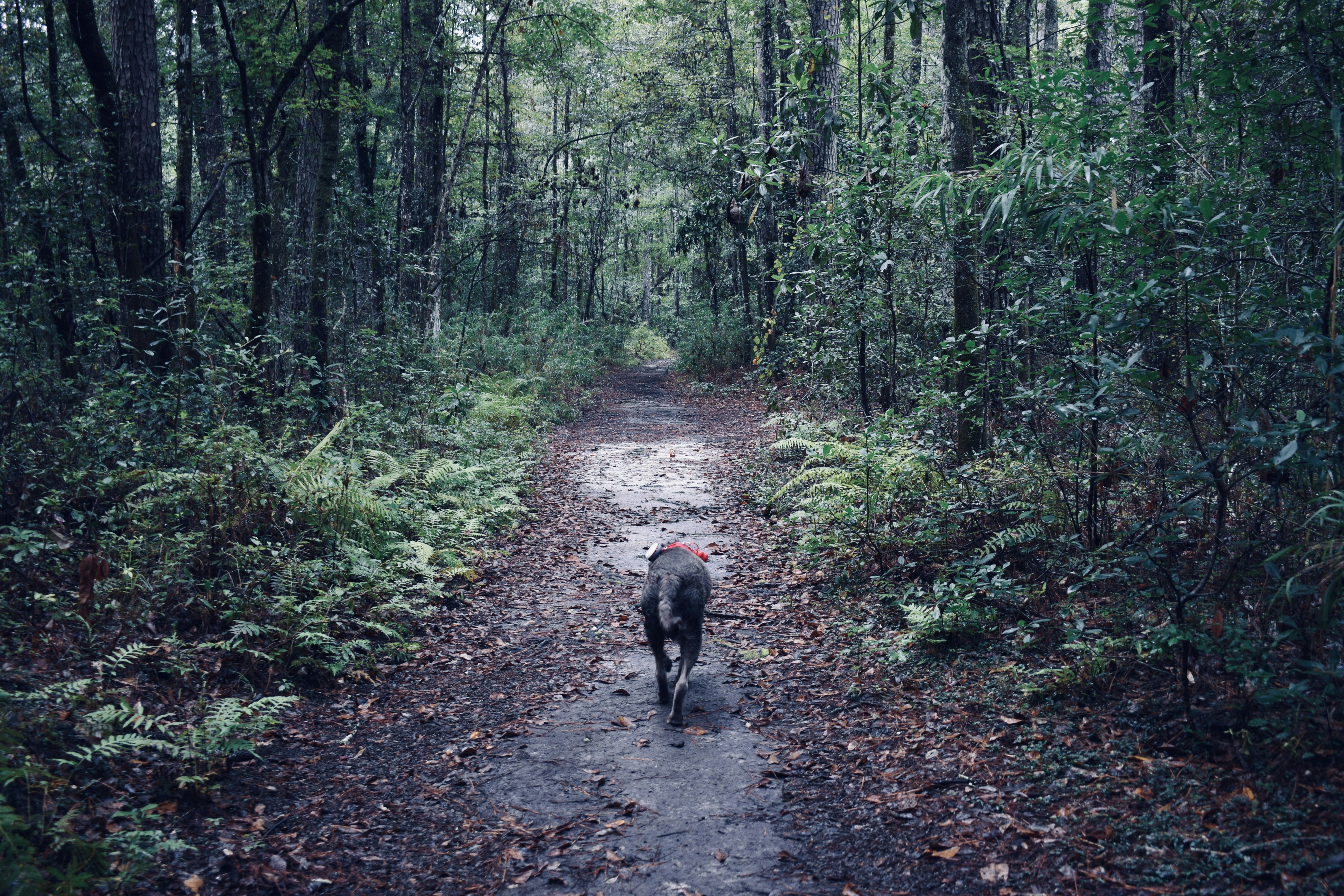
When it comes to hiking with dogs, there are plenty of amazing destinations that welcome furry companions. Whether you're looking for scenic trails or national parks, here are some top recommendations for dog-friendly adventures.
Top hiking trails and national parks that welcome dogs
1. **Yosemite National Park** - Known for its breathtaking landscapes, Yosemite offers numerous trails where you can explore nature with your dog. Don't miss the iconic Yosemite Falls or the stunning views from Glacier Point.
2. **Acadia National Park** - Located in Maine, Acadia National Park boasts over 120 miles of dog-friendly trails. From the picturesque Jordan Pond Path to the challenging Precipice Trail, there's something for every hiker and their four-legged friend.
3. **Great Smoky Mountains National Park** - With over 800 miles of trails, this park on the border of Tennessee and North Carolina is a paradise for outdoor enthusiasts and their dogs. Enjoy scenic hikes to waterfalls or venture up to Clingmans Dome for panoramic views.
Researching pet policies and restrictions before embarking on your adventure
Before hitting the trail with your furry companion, it's important to research pet policies and restrictions in your chosen destination. Some parks may have specific leash requirements or areas where dogs are not allowed at all.
Check the park's website or call ahead to ensure you have all the necessary information before embarking on your adventure. This will help you plan accordingly and avoid any disappointments along the way.
Local dog-friendly hiking groups and organizations to connect with
To make your hiking experience even more enjoyable, consider connecting with local dog-friendly hiking groups or organizations in your area. These groups often organize regular hikes where you can meet fellow dog owners who share a passion for exploring nature with their pets.
Not only will you get insider tips on the best trails and destinations, but you'll also have the opportunity to socialize your dog and make new friends along the way. It's a great way to enhance your hiking adventures and create lasting memories.
Health and Wellness Tips for Hiking Dogs

Hiking with dogs: tips and gear are crucial for ensuring the health and well-being of your furry companion on your outdoor adventures. Here are some essential tips to keep in mind:
Preparing for emergencies and carrying a first aid kit for your dog
When hiking with dogs, it's important to be prepared for any unforeseen emergencies. Pack a first aid kit specifically designed for dogs, including items such as bandages, antiseptic wipes, tweezers for removing ticks, and any necessary medications.
It's also a good idea to have the contact information of a local veterinarian or animal hospital readily available in case of an emergency. Being prepared can make all the difference in ensuring your dog's safety while on the trail.
Understanding the signs of fatigue or distress in your dog while hiking
Dogs may not always be able to communicate when they're feeling tired or experiencing discomfort while hiking. It's important to pay close attention to their behavior and body language.
Look out for signs such as excessive panting, lagging behind, limping, or reluctance to continue walking. If you notice any of these signs, it may be time to take a break or turn back. Always prioritize your dog's well-being over completing a hike.
Building your dog's stamina and fitness level for longer hikes
Just like humans, dogs need time to build up their stamina and fitness level before tackling longer hikes. Start with shorter walks or hikes and gradually increase the distance over time.
Consider incorporating regular exercise routines into your daily schedule that include activities like jogging or playing fetch. This will help strengthen their muscles and endurance, making them better prepared for longer hikes.
Remember to always consult with your veterinarian before starting any new exercise regimen to ensure your dog is in good health and capable of handling the physical demands of hiking.
By following these health and wellness tips, you can ensure that your dog stays safe, healthy, and happy while enjoying the great outdoors. Remember to prioritize their well-being, be prepared for emergencies, and gradually build up their fitness level. Happy hiking!
Keywords: Hiking with dogs: tips and gear, preparing for emergencies, first aid kit for dogs, signs of fatigue or distress in dogs while hiking, building dog's stamina and fitness level
Conclusion
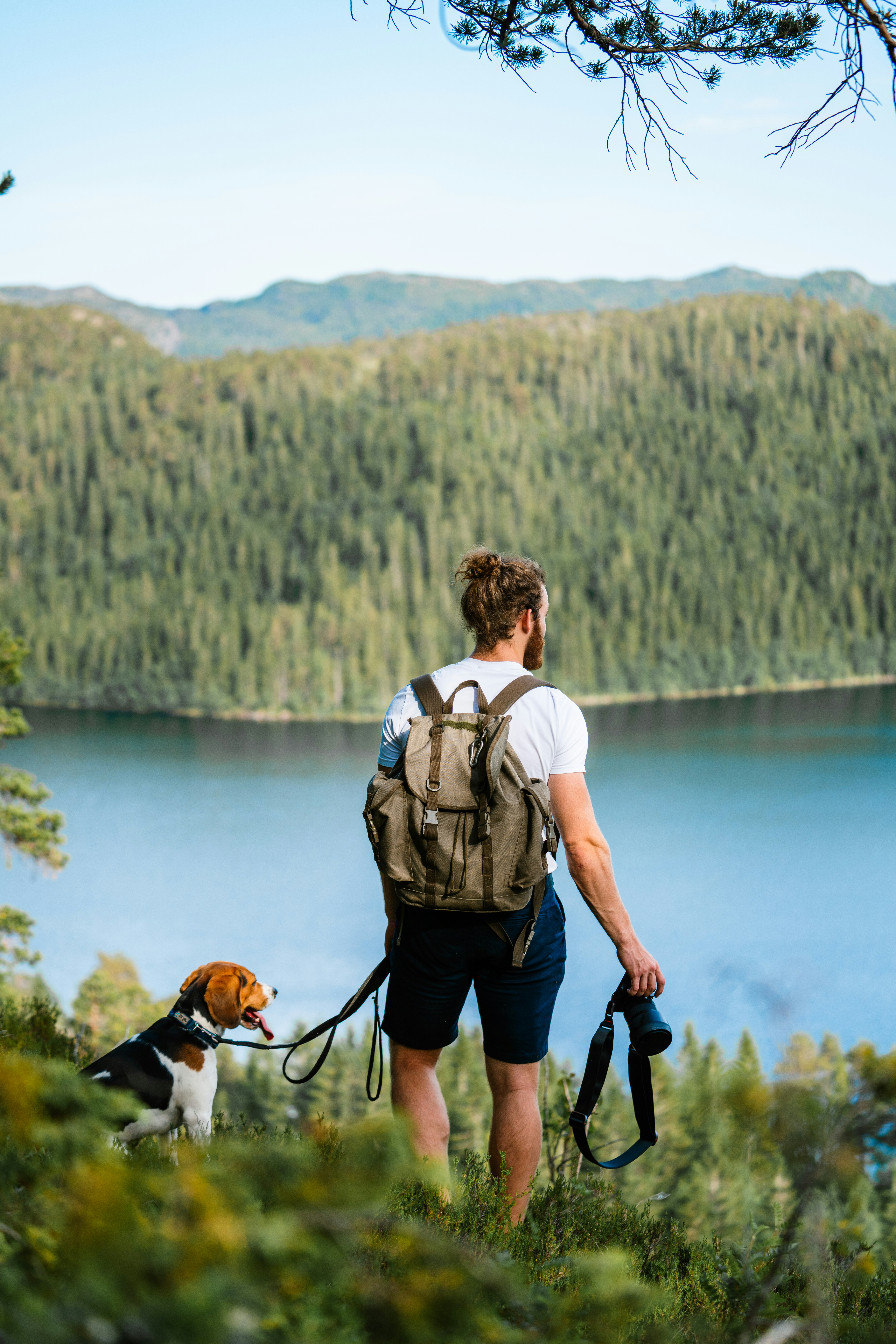
Hiking with dogs is not only a great adventure, but it also provides numerous benefits for both you and your furry companion. By exploring the great outdoors together, you can create lasting memories and strengthen the bond between you and your dog. It's important to be a responsible pet owner and considerate hiker by following trail etiquette and being mindful of other hikers and wildlife. Embrace the joy and benefits of hiking with your four-legged companion, and enjoy the wonders of nature together.
By planning ahead and preparing properly, you can ensure a safe and enjoyable hiking experience for both you and your dog. Remember to choose the right gear, including a suitable leash, harness, backpack for your dog's essentials, as well as protective gear like boots and a reflective vest. Safety should always be a priority, so assess your dog's fitness level before choosing trails, keep them hydrated to avoid overheating, and learn how to identify common hazards such as ticks or poisonous plants.
Proper training is essential for a well-behaved hiking buddy. Teach your dog basic obedience commands and leash manners to ensure they stay under control during hikes. Additionally, practice proper trail etiquette by yielding to other hikers and wildlife encountered along the way. Be prepared for encounters with other dogs or wildlife by knowing how to handle such situations calmly.
Researching dog-friendly hiking destinations is key to finding the best trails that welcome dogs. Look into national parks or local trails that allow canine companionship. Before embarking on your adventure, familiarize yourself with pet policies or restrictions in these areas. Connecting with local dog-friendly hiking groups or organizations can also provide valuable information on recommended trails or group hikes.
Maintaining your dog's health and wellness is crucial while hiking. Prepare for emergencies by carrying a first aid kit specifically designed for dogs. Pay attention to signs of fatigue or distress in your dog, and adjust your hiking plans accordingly. Building your dog's stamina and fitness level gradually will allow them to enjoy longer hikes without overexertion.
In conclusion, hiking with dogs offers a wonderful opportunity to create lasting memories and strengthen the bond between you and your furry friend. By being a responsible pet owner and considerate hiker, you can ensure the safety and enjoyment of both yourself and others on the trail. Embrace the joy and benefits of exploring nature with your four-legged companion, as it truly is an adventure like no other.